





For a lot of people, the decision to get braces begins quietly and gradually. It might be that you’ve been noticing an edgy tooth that has shifted over time, or your bite feels somewhat off when you chew, or simply you’ve always wanted a better smile, but adulthood embarrassment, schedules, and dental anxiety forced you to push the idea to the back of your head.
Then there comes a moment when you look at your teeth and just think, ‘Ok, enough… It’s time to change it.’ Now that you have decided, the next step naturally becomes understanding your options. Therefore, we spoke to a trusted Denver dentist and gathered important facts about braces that you must know before booking a consultation.
What are Braces?
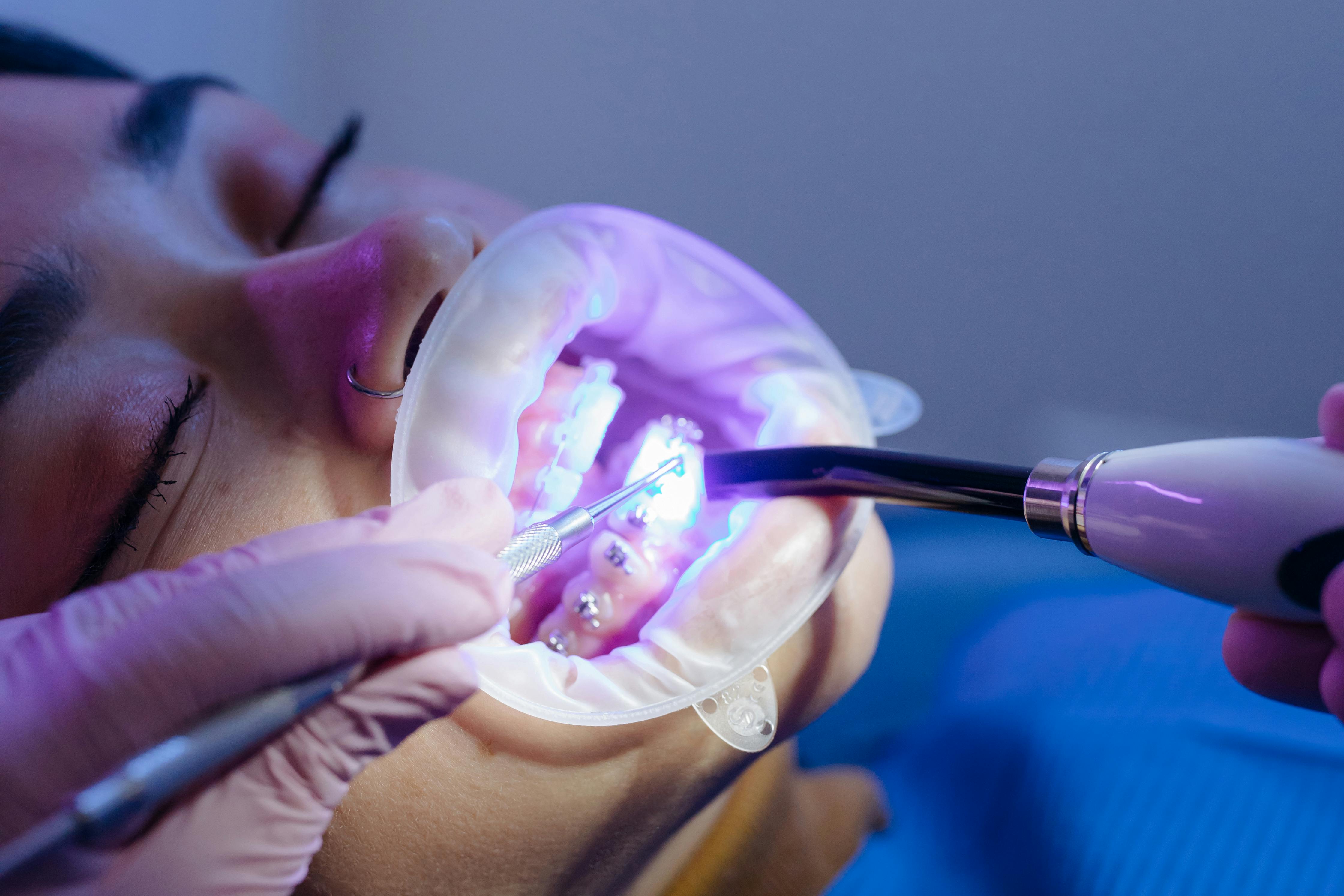
Braces usually include small brackets along with a wire that uses pressure to move your teeth and straighten them. These are used to correct crowded teeth, close gaps, straighten overlapping teeth, and rectify bite problems or misalignments.These are more than just cosmetic products. They serve a functional purpose to stabilize oral health in the long run by changing how teeth fit together when the mouth closes and helping it work better during chewing throughout the day.
Patients seek braces for different reasons that include: enhancing chewing function, addressing orthodontic issues they noticed later in life, correcting shifting teeth after losing retainers, or beautifying their smile so that they feel more confident. One reason is as good as the next.
How Do Braces Work?
Once applied, braces slowly put pressure on your teeth over time. This pressure encourages the gradual movement of teeth in the jawbone and shifts them into a new yet more aligned position.Your dentist attaches small brackets to each tooth and fixes them in place. Then they thread the brackets with archwire and use elastics or clips to hold the wire in place. It is actually the wire that applies pressure to the teeth and forms them into a more natural shape.
Throughout the procedure, your orthodontist makes necessary adjustments by tightening the wire or changing elastics to ensure your teeth are getting aligned in the right direction.
Once your teeth are in their best possible alignment, dentists often use a retainer to hold your teeth in place.
Types of Braces
There are many types of braces used by orthodontists. They all work almost similarly. The only difference is in their material or placement.Traditional Braces
Conventional metal braces consist of metal brackets fixed onto teeth through a wire linkage. The position is periodically adjusted to ensure controlled motion. They are strong, stable, and can be used for simple to severe orthodontic treatment.These metal braces are still the most popular choice because they offer the best treatment results, regardless of level of severity and age. They are also one of the least expensive orthodontic options.
Ceramic Braces
Ceramic braces work just like the metal braces, but differ from them in their appearance. As the name suggests, ceramic braces are made from tooth-colored or clear ceramic so that they can blend with the teeth to give a more natural look.They are popular with patients who desire a less conspicuous appearance yet still want the rigidity of fixed orthodontic treatment.
Unlike metal braces, ceramic braces are more prone to damage and breaking. Therefore, they need a little more care to keep clean and prevent discoloring.
Lingual Braces
Lingual braces are fixed on the back of the teeth, not the front. This position makes them invisible when speaking or smiling. They work like conventional braces, but they are more complicated and can only be placed by orthodontists who have completed specific training.Since these braces come in direct contact with your tongue, they may cause some soreness and can take a bit longer to get used to. They are also harder to keep clean and maintain, making them a rather unpopular choice among ordinary people.
Clear Aligners
Although not braces, clear aligners work just like braces to move teeth in their right position. The plus point of these aligners is that they are rather invisible, and you can remove them whenever you like. You have to wear them for around 20-22 hours per day to achieve better results. They work best if used as directed. Aligners can serve many alignment cases, and appropriateness will be assessed by an orthodontist according to your specific needs.How Much Do Braces Cost in the US?
Braces are considered a moderately pricey procedure. The cost can vary depending upon the area you may live in. A rough ballpark range looks like this:- Metal braces: $3,000 to $7,000
- Ceramic braces: $4,000 to $8,500
- Lingual: $8,000 to $13,000
- Clear aligners: $4,000 to $8,000
.jpg)


