





The Importance of Parent Training in Applied Behavior Analysis for Children With Autism
The journey for parents with children on the autism spectrum can be both challenging and rewarding. Understanding and navigating various treatment approaches is crucial for supporting these children's development and well-being. Applied Behavior Analysis, or ABA, is a widely recognized and evidence-based therapeutic intervention that has shown significant success in improving the outcomes for individuals with autism. Parental involvement is a core component of ABA therapy, offering an enhanced collaborative approach to treatment. Below, we explore how parent training in ABA plays a pivotal role in the therapeutic process and long-term success of children with autism.
The Role of Parental Involvement in ABA Therapy Success

Parent involvement is crucial for an effective ABA program. When parents are trained in ABA techniques, they can consistently address their child's needs and reinforce learning throughout daily life. This active participation helps create a supportive home environment that aligns with therapy sessions, leading to a more cohesive approach and significant progress for the child.
Programs like Applied Behavior Analysis parent training in CA provide essential skills for parents, making them effective co-therapists. These training sessions not only focus on child-related skills but also emphasize parental self-care and stress management, addressing the challenges of balancing specialized parenting with everyday responsibilities.
Understanding Applied Behavior Analysis in Autism Treatment
Applied Behavior Analysis (ABA) is a therapy based on learning and behavior science that aims to increase beneficial behaviors and decrease harmful ones. It is highly individualized and tailored to each child diagnosed with autism. ABA's effectiveness relies on its structured approach to skill development and behavior modification, employing various techniques and incorporating positive reinforcement.
It is essential for ongoing measurement and data analysis to ensure the therapy yields desired results and practitioners can make informed adjustments. ABA therapy may include one-on-one sessions, group instruction, and various environments to encourage the generalization of skills. The settings for ABA can range from home to schools and community environments, all crucial for the carryover of newly learned behaviors.
Key Skills Parent Training Offers in ABA for Autism
ABA parent training equips caregivers with strategies that align with professional therapy. It emphasizes the application of reinforcement, recognizing and celebrating small progress steps, and managing challenging behaviors compassionately and effectively. Communication skills are also emphasized, fostering effective communication with children on the spectrum. Parents are coached on how to foster communication through verbal and alternative means like picture exchange systems or assistive devices.
The training also emphasizes the importance of creating structured environments, which can help children with autism thrive. Parents learn how to set up their homes to support their child's therapy goals, such as clear labeling, visual schedules, and organized spaces conducive to focused activities. This approach creates a conducive environment for learning and growth.
Overcoming Challenges: The Need for Consistency in ABA Techniques at Home
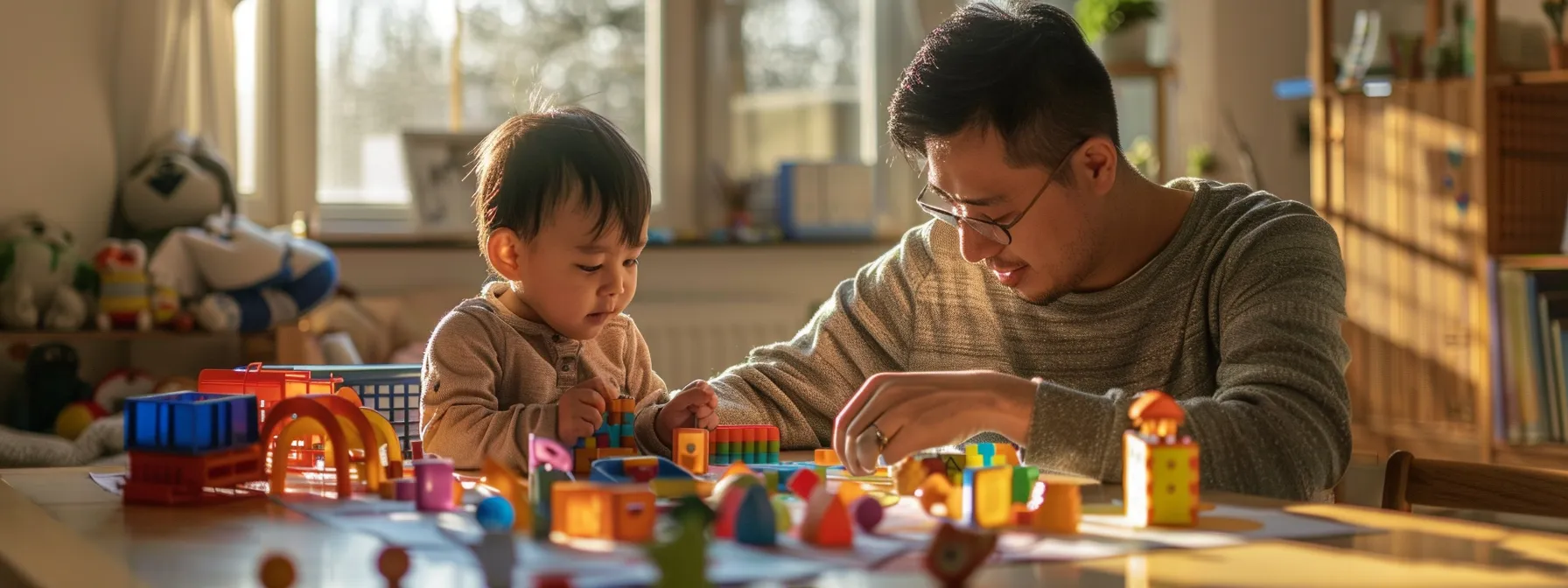
Parents face challenges in integrating ABA principles into their home environment, as the dynamic and other variables can influence behavior. Training parents helps bridge this gap, ensuring consistent reinforcement and application of ABA principles across all settings. Consistency is crucial for children with autism to generalize skills and prevent progress from being lost or slowed.
Parents equipped with ABA training are better positioned to adapt to life's unpredictable changes, incorporating learning moments into various daily scenarios. The emotional toll on parents is also a challenge. Support mechanisms like parent support groups, continued education, and respite care services are critical to prevent caregiver burnout.
Evaluating the Impact of Parent Training on Long-Term Outcomes for Children with Autism
Autism therapy aims to improve long-term outcomes for children with autism. Parent involvement in ABA techniques can positively influence a child's communication, social skills, and behavior management. Training parents in ABA techniques helps sustain and build upon the gains made during professional therapy sessions. A holistic approach with supportive interventions is beneficial for children with autism. Parent training adds consistency and reinforcement, pivotal for growth.
Research shows that parental skill development correlates with better outcomes for children with autism. Home-based ABA strategies can reduce challenging behaviors and increase independence. Early intervention is crucial for long-term outcomes, as it reinforces beneficial behaviors and skills from a young age, leading to more profound developmental impacts over time.
Overall, parental involvement through ABA training represents not just a support strategy but a transformative factor in the lives of children with autism. The synergy it creates between professional therapy and home life fosters a seamless continuum of care, essential for sustained progress and overall family well-being.
.jpg)

