





Selecting the appropriate cap and plug for a project is vital, playing a pivotal role in the protection and maintenance of equipment. A discerning eye toward the material of these components can prevent untimely wear while ensuring optimal functionality. Criteria such as dimensional accuracy and compatibility are equally imperative to facilitate a secure fit, warding off potential leaks and contamination. Understanding each application's unique challenges and variables, including exposure to extreme temperatures and fluctuating pressures, is crucial. Keep reading to unravel the intricacies of making an informed choice that guarantees performance and longevity.
Assessing Material Considerations for Durability and Performance
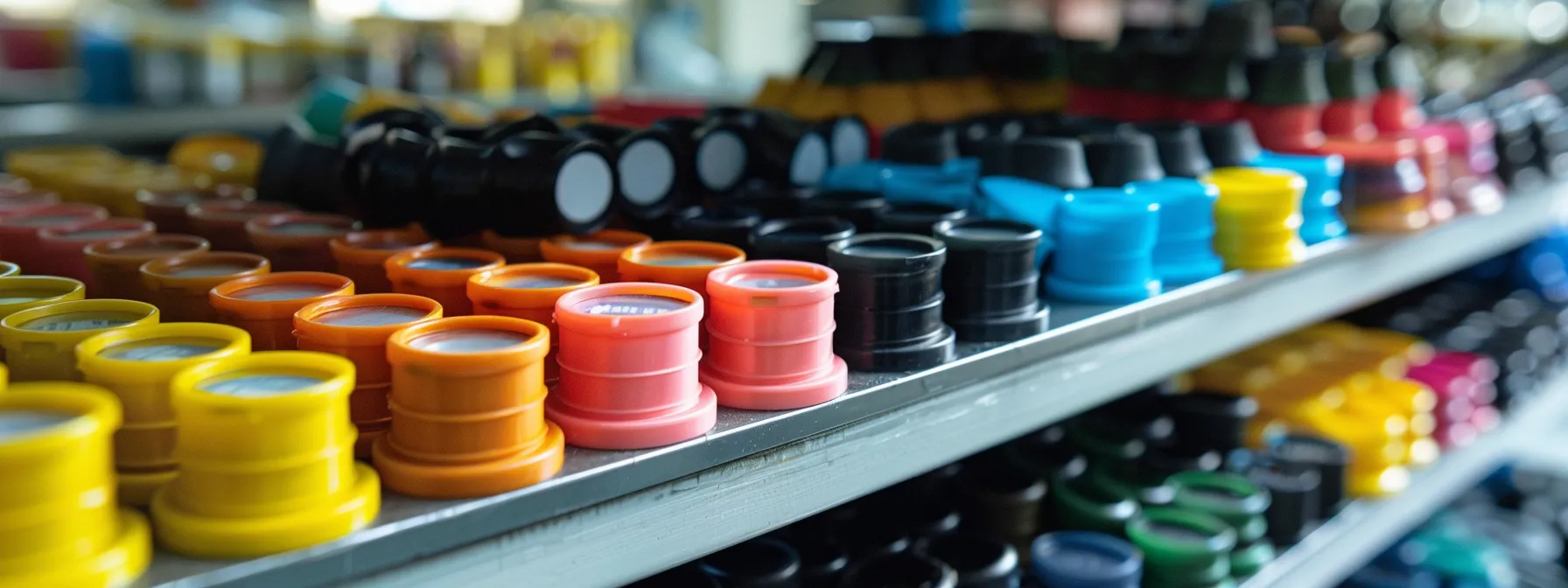
Determining the appropriate material for a cap and plug ensures durability and performance, especially in environments subject to extreme temperatures, chemicals, or pressure conditions. Materials range from metals like stainless steel, which offers robustness and corrosion resistance, to plastics like polyethylene, known for its flexibility and cost-effectiveness. Each material presents unique advantages contingent on the application's specific demands.
Frequent application in high-temperature surroundings necessitates caps and plugs fabricated from materials that can endure rigorous conditions without degrading. Silicone and EPDM are often favored for their high-temperature tolerance, retaining their integrity where lesser materials might fail. Similarly, selecting a material that remains pliable and does not become brittle is paramount for low-temperature applications.
When exposed to corrosive substances, the right choice of a cap and plug can mean the difference between secure protection and costly leakage. Here, professionals often recommend materials such as Viton, with its exceptional resistance to chemicals, as an ideal solution to maintain a seal in hostile environments where others might deteriorate rapidly.
Pressure differentials also play a significant role in determining the suitable material. A cap and plug must be constructed to withstand vacuum or high-pressure scenarios to avert potential failure. The structural integrity of metals stands out in these instances, although specialized plastics may also suffice if engineered for such specifics.
Identifying the Proper Size and Fit for Caps and Plugs

Selecting the correct size for caps and plugs ensures a secure seal and prevents leaks, dislodgement, or system contamination. Dimensions should align precisely with the fitting to which they will be applied, considering inner diameters, outer diameters, and thread details where applicable. Meticulous measurement is the foundation of proper sizing.
Custom-fit options are available for irregularly shaped or uniquely sized components that demand precise coverage. Professionals often turn to customized solutions to meet rigorous sealing requirements, ensuring protection and fit are not compromised. Attention to detail can make all the difference in performance.
Durability and fitting performance hinge on not just size but also the cap and plug's design features. Features such as ridges or internal threading can enhance the grip and ensure a more reliable connection. Opting for a design that complements the application's nuances contributes to a robust and enduring seal.
Finally, properly installing the cap or plug is as critical as the selection process. An ideal fit should be easy to apply yet secure once positioned, avoiding the need for excessive force that might cause damage. Proper installation safeguards the integrity of both the protective element and the system it serves.
Analyzing Application Requirements for Temperature and Pressure
The operating temperature range assessment is a critical step in selecting a cap and plug. Materials such as high-grade silicones are adept at enduring extreme heat, while others maintain their elasticity and durability in frigid conditions.
The application's environment of pressure dramatically influences material choice. Metals often rise to the challenge in high-pressure scenarios, whereas engineered plastics may be a better fit for less demanding pressure conditions.
Variations in temperature and pressure can cause materials to expand or contract, affecting the seal's effectiveness. Therefore, to ensure consistent performance, it is necessary to consider how fluctuations might impact the chosen cap and plug over time.
Manufacturers must consider the peak temperatures and pressures and the frequency of exposure to such extremes. Frequent cycles of temperature or pressure changes demand materials with exceptional resilience to avoid premature wear or failure.
Altogether, choosing the right cap and plug requires a thorough understanding of material properties, precise sizing, and your application's specific environmental demands. By carefully considering these factors, you can ensure reliable performance, longevity, and protection for your equipment.
.jpg)


